Introduction
Stroke is a serious medical emergency. It happens when blood flow to the brain stops or is blocked. Because brain cells need oxygen, they can die quickly without it. Early action can save lives and reduce long-term problems. In this blog, you will learn about stroke symptoms, causes, diagnosis, treatment, and prevention. Knowing these facts can help you or your loved ones stay safe.
What is a Stroke?
A stroke occurs when blood cannot reach part of the brain. This may be due to a blocked blood vessel or bleeding in the brain. As a result, brain cells start to die within minutes. There are two main types of stroke:
Sometimes, people have a “mini-stroke” or transient ischemic attack (TIA). Although symptoms go away quickly, a TIA is a warning sign for a future stroke.
Common Symptoms
Recognizing stroke symptoms early is vital. Quick treatment can prevent lasting damage. Watch for these signs:
If you notice any of these stroke symptoms, call emergency services right away. Every minute counts.
Causes and Risk Factors
Many factors can increase your risk of stroke. Some you can control, while others you cannot. Understanding these stroke risk factors can help you take action.
According to the CDC and WHO, controlling these risk factors can lower your chance of having a stroke.
Diagnosis
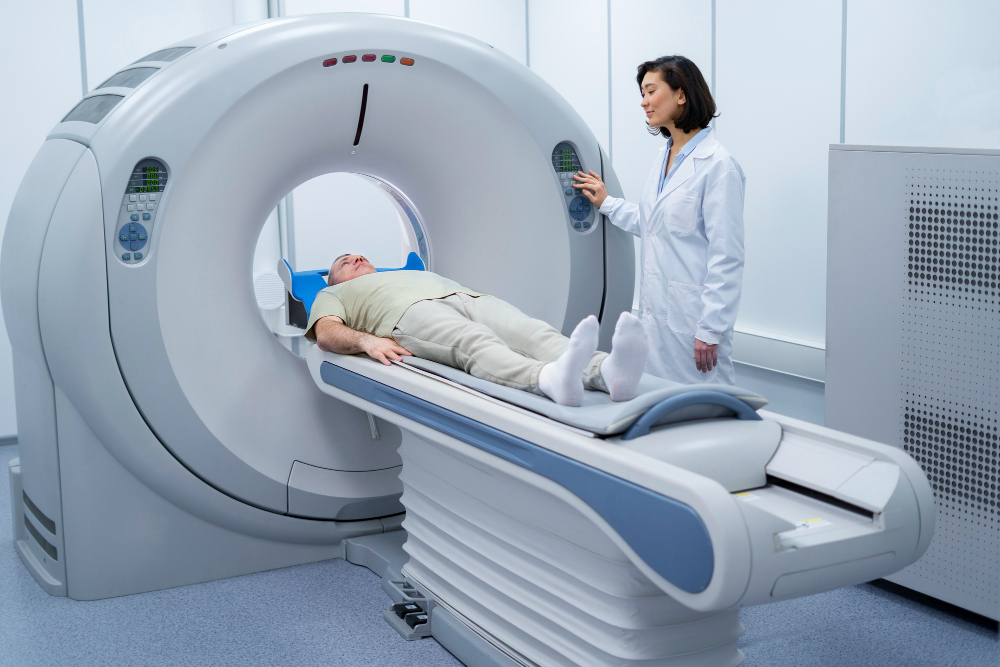
Doctors use several tests to diagnose a stroke. First, they ask about your symptoms and medical history. Then, they may perform a physical exam. Next, they often use brain scans, such as a CT scan or MRI, to see if there is bleeding or a blockage. Blood tests and heart tests may also help find the cause. Early diagnosis is key to starting the right stroke treatment.
Treatment Options
Stroke treatment depends on the type and how quickly you get help. For ischemic stroke, doctors may use clot-busting drugs. These work best if given within a few hours. Sometimes, a doctor may remove the clot with a special device. For hemorrhagic stroke, treatment focuses on stopping the bleeding and reducing pressure in the brain. Surgery may be needed in some cases. After the emergency, rehabilitation helps you regain lost skills. This may include physical, speech, or occupational therapy.
Prevention Tips
You can lower your risk of stroke by making healthy choices. Here are some stroke prevention tips:
Even small changes can make a big difference over time.
Lifestyle Guidance
Living a healthy lifestyle is important for stroke prevention. For example, try to walk or be active for at least 30 minutes most days. Choose foods low in salt and fat. If you have high blood pressure, check it often and follow your doctor’s advice. Also, avoid stress when possible. Support from family and friends can help you stay on track. Remember, regular check-ups can catch problems early.
When to Seek Medical Help
If you or someone else shows signs of a stroke, seek help right away. Do not wait to see if symptoms improve. Fast treatment can save a life and reduce disability. Call emergency services immediately if you notice sudden weakness, confusion, trouble speaking, or vision changes. Trust your instincts—getting help quickly is always the best choice.
Consult a healthcare professional at PRANAAH HOSPITAL for personalized advice about stroke prevention and treatment. Early intervention can make a significant difference in outcomes.