
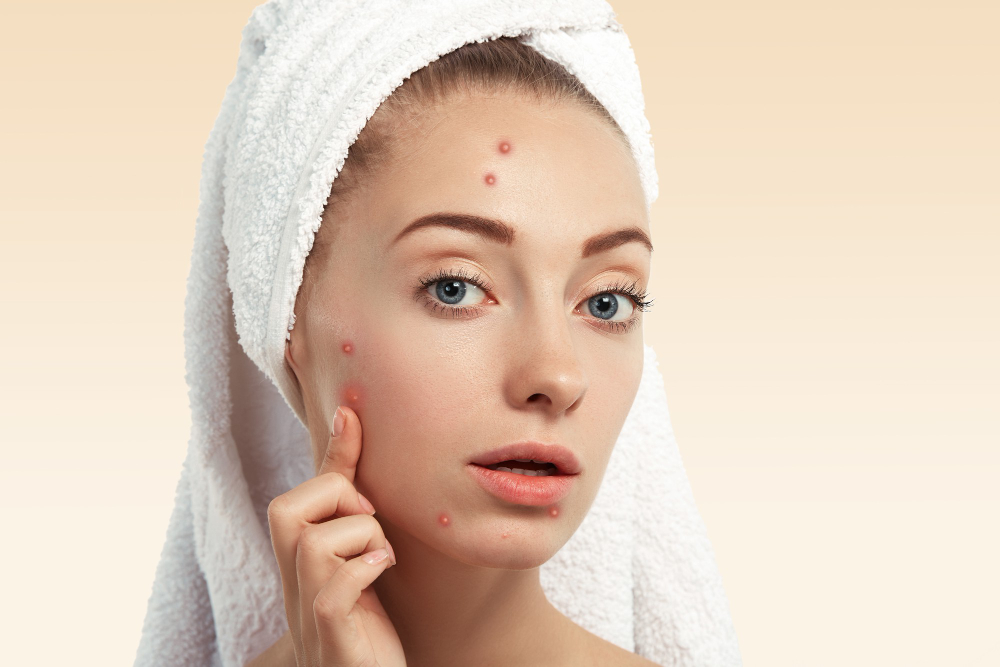
What is Acne?
Acne is a common skin condition that affects many people, especially teenagers. It happens when hair follicles become clogged with oil and dead skin cells. As a result, pimples, blackheads, or whiteheads can form on the face, chest, back, or shoulders. Although acne is not dangerous, it can cause discomfort and affect self-confidence. For many, understanding acne is the first step toward clearer skin.
Common Symptoms of Acne
Acne symptoms can vary from mild to severe. However, most people notice changes in their skin. Some common signs include:
Sometimes, acne can also cause tenderness or pain. In severe cases, it may leave dark spots or scars.
Causes and Risk Factors
Acne develops for several reasons. Most often, it starts when oil glands in the skin produce too much oil. This extra oil mixes with dead skin cells and blocks pores. Bacteria can then grow inside these blocked pores, leading to inflammation. But what increases your risk?
Even though anyone can get acne, teenagers and young adults are most often affected.
How Acne is Diagnosed
Doctors usually diagnose acne by looking at your skin. They check the type and number of spots and where they appear. Sometimes, they ask about your medical history or family background. In rare cases, a doctor may suggest tests to rule out other skin problems. However, most people do not need special tests for acne diagnosis.
Effective Treatment Options
There are many acne treatment options available. The right choice depends on how severe your acne is. For mild cases, over-the-counter creams or gels with ingredients like benzoyl peroxide or salicylic acid can help. But for more stubborn acne, a doctor may recommend:
Because each person is different, it is important to follow your doctor’s advice. Sometimes, it takes a few weeks to see results.
Lifestyle Tips for Managing Acne
Along with treatment, simple lifestyle changes can help manage acne. For example, you can:
Although these steps may not cure acne, they can reduce flare-ups and keep your skin healthier.
Prevention Strategies
While you cannot always prevent acne, certain habits may lower your risk. For instance, you should:
Because everyone’s skin is unique, prevention may work better for some people than others.
When to See a Dermatologist
Sometimes, home care and over-the-counter products are not enough. If your acne is severe, painful, or causing scars, it is time to see a dermatologist. Also, if you feel upset or embarrassed about your skin, a doctor can help. Early treatment can prevent lasting marks and boost your confidence.
For personalized acne treatment and advice, consult a dermatologist at PRANAAH HOSPITAL. They can help you find the best plan tailored to your skin.