
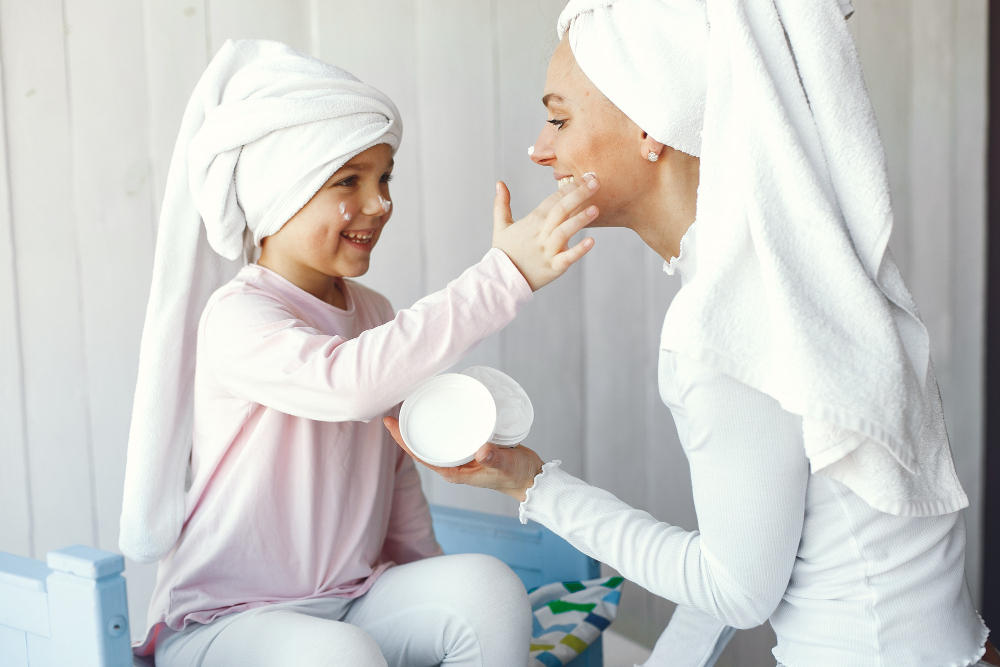
Winter can be tough on children’s skin. Cold air, wind, and indoor heating often cause dryness and irritation. Because of this, pediatric winter skin care is very important. Parents and caregivers need to know the best winter tips for skin care to keep their child’s skin healthy and comfortable. In this blog, you will find simple advice on children’s winter skin care, safe moisturizers for children, and ways to prevent dry skin in kids.
Common Winter Skin Problems in Children
Many children face skin issues during winter. For example, dry and flaky skin is very common. Some kids may also get red patches or rough spots. In some cases, chapped lips and cracked hands appear. Additionally, eczema can flare up in cold weather. Because of these problems, it is important to watch your child’s skin closely during winter.
Causes of Dry Skin During Winter
Several factors lead to dry skin in winter. First, cold air outside holds less moisture. Second, indoor heating makes the air even drier. As a result, your child’s skin loses water quickly. Frequent hot baths can also strip away natural oils. Sometimes, harsh soaps and detergents make things worse. Therefore, understanding these causes helps you prevent dry skin in kids.
Essential Winter Skin Care Tips for Kids
To keep your child’s skin soft and healthy, follow these simple tips:
Because these steps are easy to follow, you can help prevent dry skin in kids all winter long.
Safe Moisturizers and Products for Children
Choosing the right products is important for winter skin protection for toddlers and older kids. Look for moisturizers labeled “fragrance-free” and “hypoallergenic.” Creams and ointments work better than lotions in winter. For example, petroleum jelly and thick creams lock in moisture well. Avoid products with alcohol or strong scents, as they can irritate sensitive skin. Always test a small amount on your child’s arm before using a new product. If you are unsure, ask your pediatrician for safe moisturizers for children.
Bathing and Hygiene Best Practices
Bath time can affect your child’s skin health. Keep baths short, about 5 to 10 minutes. Use lukewarm water instead of hot water. Gently pat the skin dry with a soft towel, and avoid rubbing. Right after bathing, apply a moisturizer to seal in moisture. In addition, do not bathe your child more than once a day unless needed. These simple habits help maintain healthy skin during winter.
Preventing Skin Irritation and Allergies
Winter clothes and products can sometimes cause irritation or allergies. Choose soft fabrics like cotton for clothing. Wash new clothes before your child wears them. Use mild, fragrance-free laundry detergents. If your child has sensitive skin, avoid wool or rough materials. Watch for signs of redness, itching, or rash. If you notice any of these, switch to gentler products or fabrics. Because prevention is key, these steps help keep your child’s skin calm and healthy.
When to Consult a Pediatrician
Sometimes, home care is not enough. If your child’s skin becomes very red, swollen, or painful, it is important to seek medical attention. At Pranaah Hospital, doctors advise parents to consult a specialist if there is oozing, blisters, or signs of infection, especially in children with eczema or allergies who may need extra care during winter. Early evaluation at Pranaah Hospital helps prevent complications and keeps your child comfortable.
For personalised skin care advice for your child, consult a paediatrician at Pranaah Hospital.